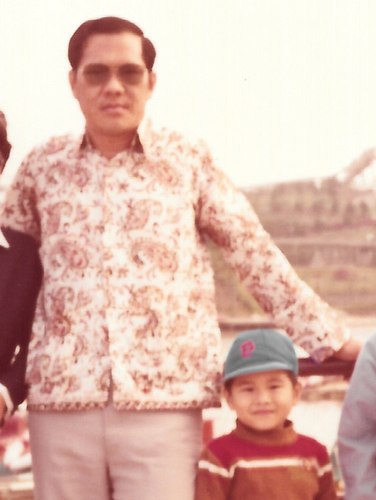
12 years have gone and past,
We know some things never last,
We used to be sad that you had passed,
Now we think back to the times that we had,
Our moment in time will never fade.
11 Years
Dear Papa,
11 years have passed since you left us.
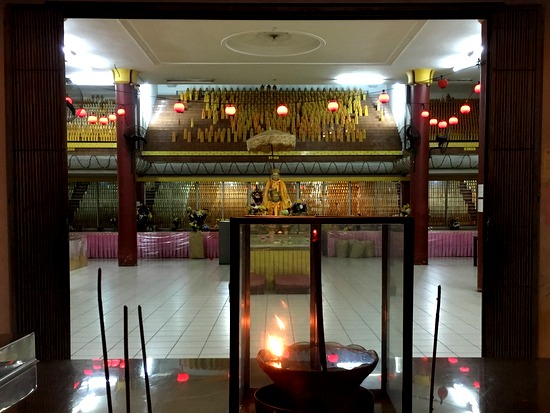
Even after 11 years, everybody still talks about you like you are still around.
Every now and then, I still encounter total strangers who said they knew who I am. They knew me because of you. They knew me because you were their mentor, in business and in life, and that you had such big influence in their lives.
These past 11 years, there’s been many milestones I have achieved that I wished you had witnessed, both personally and in my career. But my proudest achievement came on the 28 January 2016, when Kendrick Sia is born. I became a father for the first time, and you a grandfather to the cutest baby in the world.
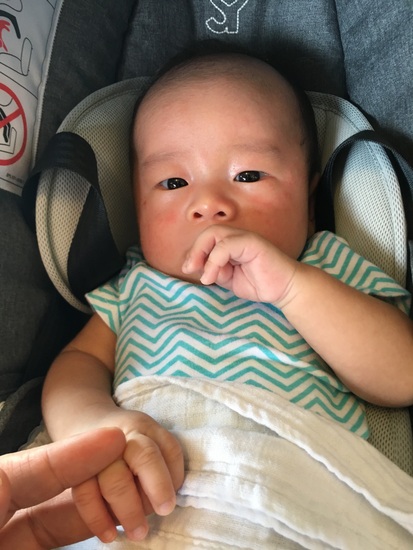
I think being a father for the first time completely changes my perspective on a lot of things. Suddenly, I become more aware of my role in the family. Suddenly, I have to prioritize my responsibilities both as a financial provider for my family and a positive role model for my son.
Well, that’s the same feeling that you have been giving me throughout most my life. 🙂 And I can only hope I am able to do the same for Kendrick.
Till we meet again,
Your youngest son.
Priorities
One day, while surfing the Internet…
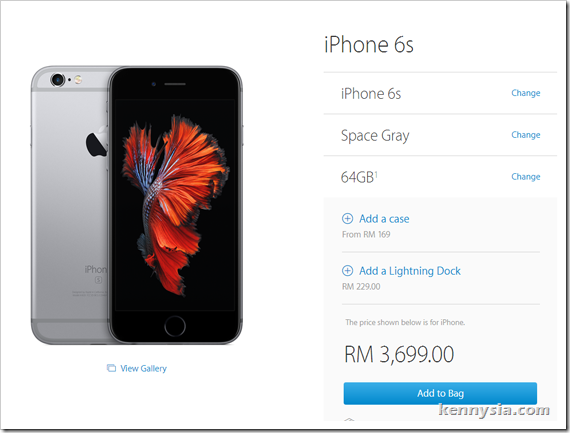
"OOOHHH! iPhone 6S is out! I want! I want! I want! I want!"
*phone beeps*
"Wife sent you a picture."
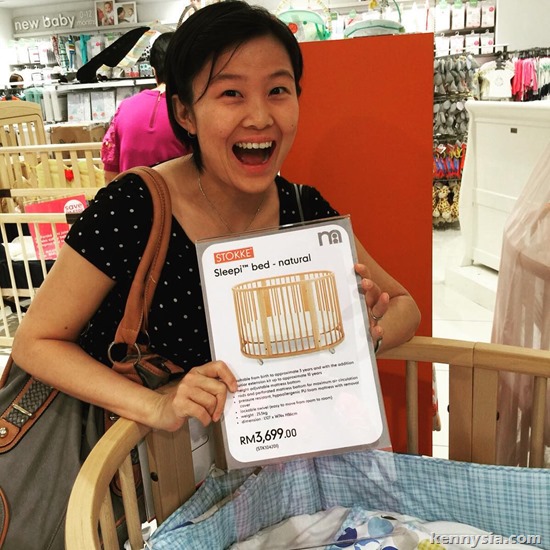
"Okay… maybe next time."
15 Things To Do In Macau
Earlier this month, thanks to an invitation from the Macau Government Tourism Office, I had the chance to re-visit one of the most unique cities in East Asia.
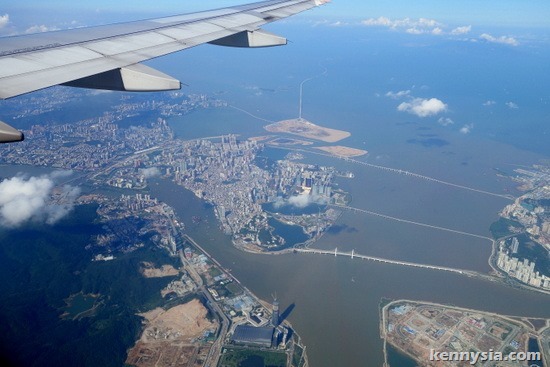
It was not my first trip to Macau. Previously, it was mostly as a transit point to Hong Kong. Back in those days, Macau was known as Asia’s most notorious town – a somewhat pale Chinese imitation of Las Vegas.
That was the case ten over years ago.
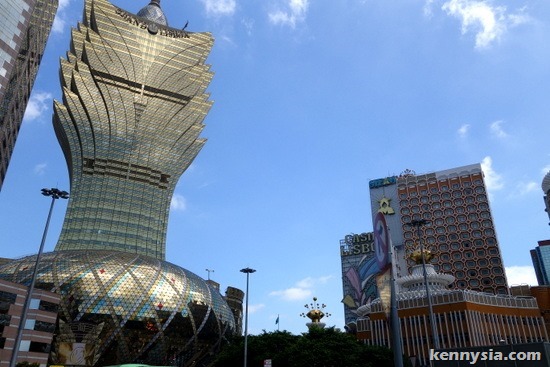
Visit Macau today, and what you’ll see is a fascinating juxtaposition of modern glamour and old-school hip, a melting pot of Chinese and Portuguese influences, and easily the best food flavours this side of China.
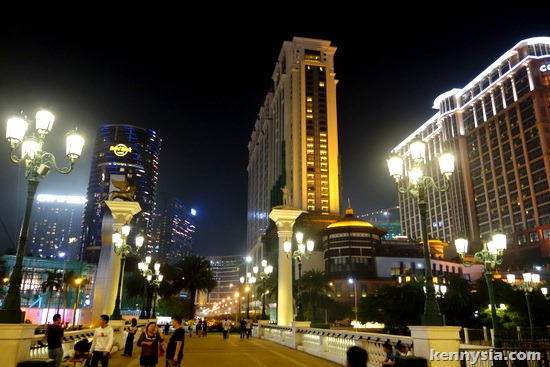
Macau is the world’s most densely populated region and one of the world’s richest cities.
Lonely Planet named Macau one of the Top 10 Regions to visit in ’15. I agree.
In honour of that, here are 15 things I think everybody must do when they visit Macau.
15. Snap a Selfie at the Ruins of St Paul, Senado Square
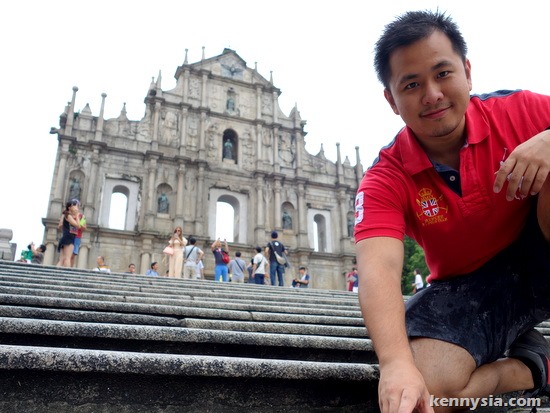
To go to Macau and not see the Ruins of St Paul, is like going to Paris and not seeing the Eiffel Towel. This is the definitive symbol of Macau and a UNESCO World Heritage Site.
The surrounding Senado Square was and still is Macau’s urban centre for centuries. Flanked by pastel coloured neo-classical buildings, it’s the perfect place to get lost in the many shops and restaurants surrounding the square.
14. See a bit of Old Portugal
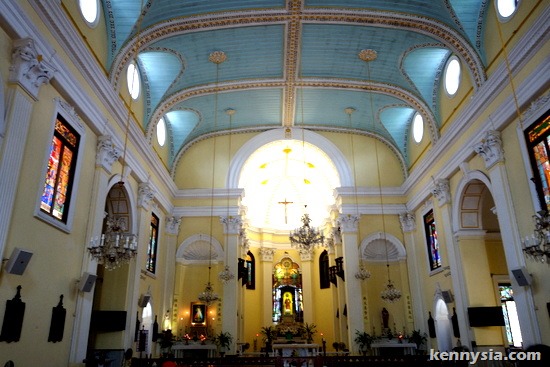
Not far from Senado Square are many churches and buildings left behind by the Portuguese.
My favourite of all is St Lawrence Church.
Saint Lawrence is the patron saint of sailors, and the church was commissioned by Portuguese who arrived in Macau after living inside a ship for months. The result – a church that looked like the inside of a boat.
13. See a bit of Old China
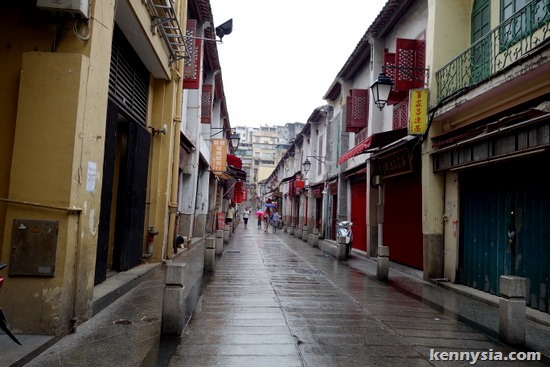
Opium dens, clan halls, pawn shops and whore houses.
Every Chinese town has an unsavoury past, but Macau doesn’t shy away from it. If anything, Macau preserves those buildings almost in their original conditions. As I stood in the middle of the lane to have a quiet moment to myself, it’s as if the hustle and bustle of the bygone days is still lingering in the air.
The Footsteps into the Historic Centre walking tour is the best way to experience this side of Macau. Entrance to the buildings are all FREE!
FREE. Except for the whore houses.
12. Light a Joss Stick at A-Ma Temple
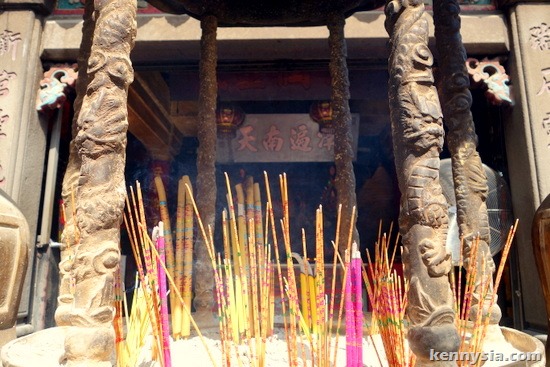
Although fairly austere by Chinese temple standards, A-Ma Temple is significant in Macau’s history for the fact that it is where Macau got it’s name from.
Story goes like this: many years ago the Portuguese sailors made their first landing just outside the temple. They asked the locals where the heck they were and the locals replied "A-Ma Gau" (Place of A-Ma). The rest, as they say, is history.
Heng ah, the locals didn’t reply, "GWAI LO! NEIH YAO MAT YEH!?"
Note: You can walk from Senado Square to A-Ma Temple, passing by all the sights above, by following the "Crossroads of China and Portugal" Walking Tour.
11. Drink the Best Tea in Macau at Long Wa
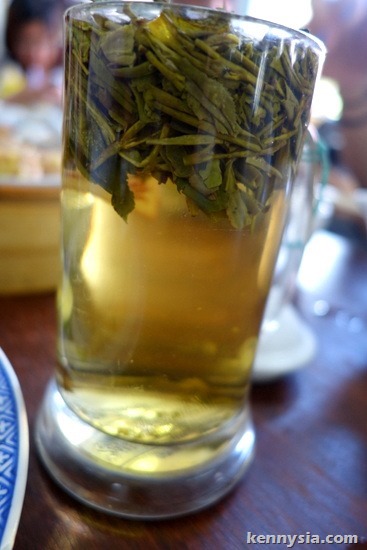
Located just across the road from the Red Market, Long Wa is the last authentic Chinese tea house in Macau.
The dim sum breakfast, although limited in variety, tastes far better than any dim sum you can find in Malaysia. But the main reasons the locals come here, is for the tea.
10. Get the Perfect Instagram Shot at Taipa Village
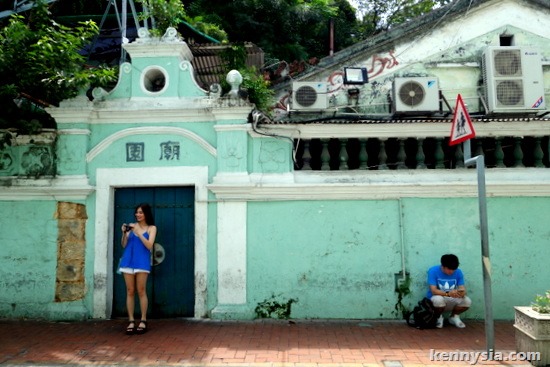
The narrow streets of Taipa Village are lined with beautiful pastel-coloured buildings.
Put your filters on, cos every shot you take is gonna fetch you 30% more Likes.
9. Go Food-Hunting at Cunha Street
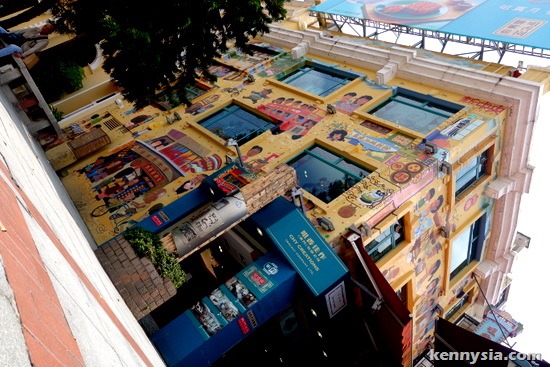
The closest thing to Changkat Bukit Bintang in Macau is Cunha Street. Authentic street art, shops selling typical tourist souvenirs, hipster cafe joints serving siphon drip coffee.
8. Ogle at Giant Pandas
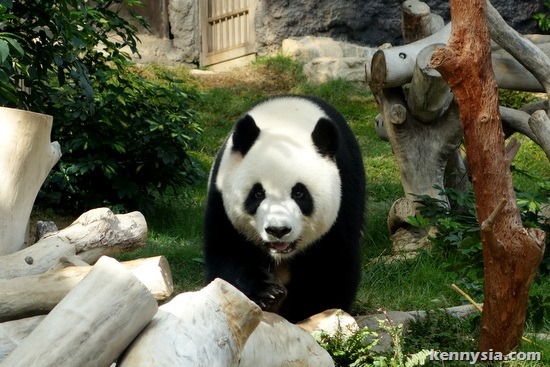
Yes, I know you got Giant Pandas in your zoos. But these cute pair of pandas in Macau is guaranteed to make you happy.
See, their names are Kai Kai and Xin Xin. DOESN’T THAT MAKE YOU HAPPY ALREADY?!
7. Stuff your Face Silly with at Restaurante Litoral
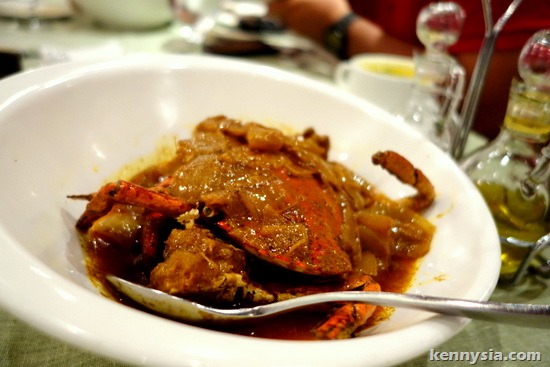
There’s no shortage of good food in Macau. Having said that, in my four days there, I had my best meals at Restaurante Litoral. This is authentic Portuguese food at its best, and I ain’t talking Nando’s.
If unsure, order the curry crab, with a side of freshly baked bread. It is DA BOMB.
6. Taste the Original Egg Tarts at Lord Stow’s
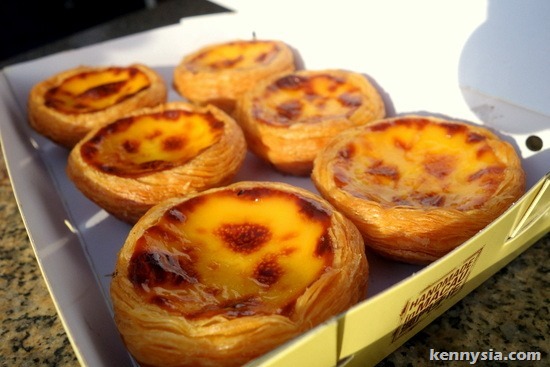
While we’re still on the topic of food, don’t even think about leaving Macau without first tasting Portuguese egg tarts from the original inventors of Portuguese egg tarts.
The original bakery is a little out of the way in Coloane, but it’s worth the hassle to make the pilgrimage just to see why the whole world has gone crazy over Portuguese egg tarts.
5. Take a Silly Photo at Pier16 3D Macau, Sofitel
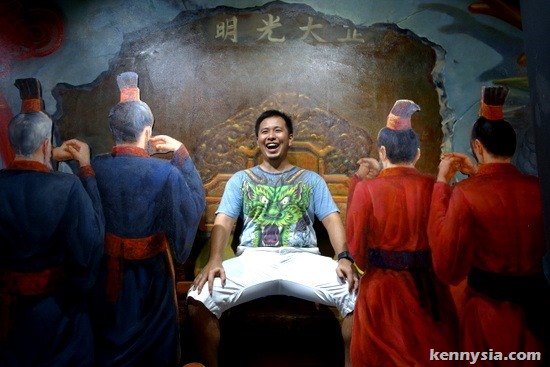
Because why wouldn’t you want to trick your friends into thinking that you went to Macau to become an emperor?
4. Catch the Special Event of the Month
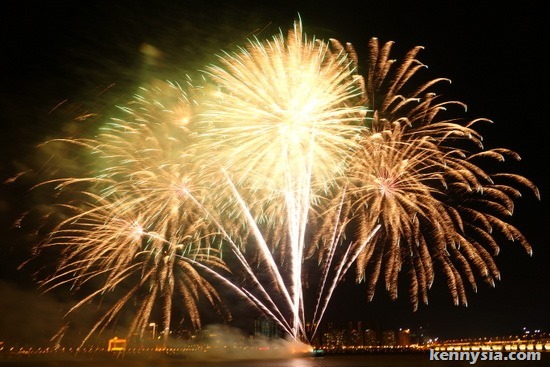
If you look up Macau’s tourism calendar, there’s bound to be either a special event or a concert every single month of the year. The month of September features Macau International Fireworks Display Contest, and is universally acclaimed as one of the best of its kind.
3. Soak Up The Atmosphere in SoHo
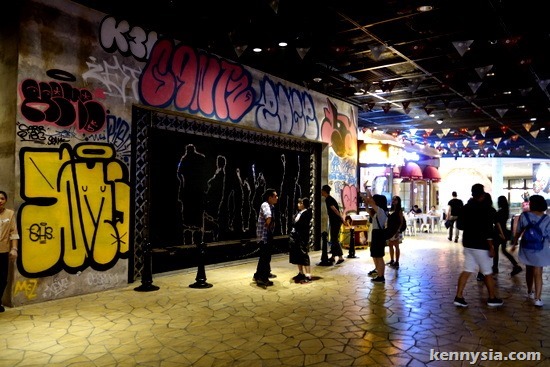
There’s no denying that everything on The Cotai Strip is artificial and manufactured. But as far as man-made entertainment goes, SoHo at the City of Dreams keeps it interesting with food, art and interactive games set in a atmospheric Brooklyn street.
2. Watch the House of Dancing Waters
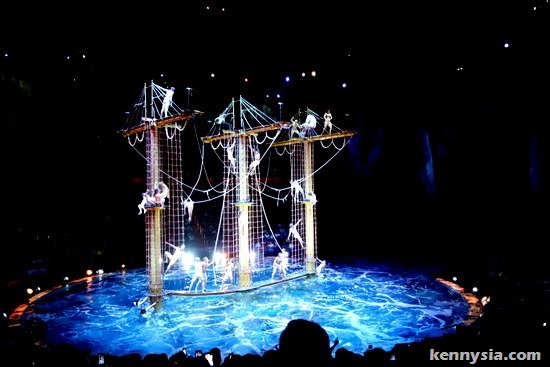
Words cannot describe how breathtakingly amazing this show is. Part circus, part theatre, part ballet – it’s by far the best permanent attraction in the Strip. Little wonder that every show is packed to the max every single year FOR THE PAST FIVE YEARS.
DON’T THINK. JUST GO WATCH. GO!
1. The One Thing Macau Is Famous For
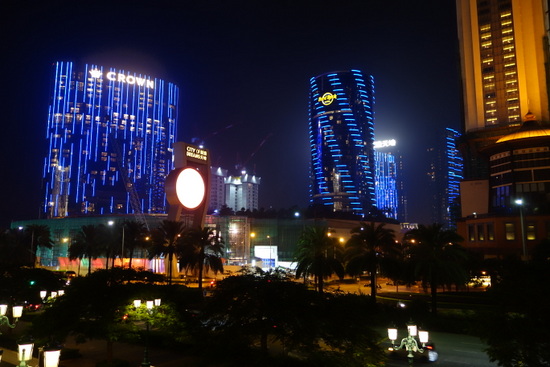
Well, it’s Macau!
Seed Is Gonna Get Real
We are expecting a child.
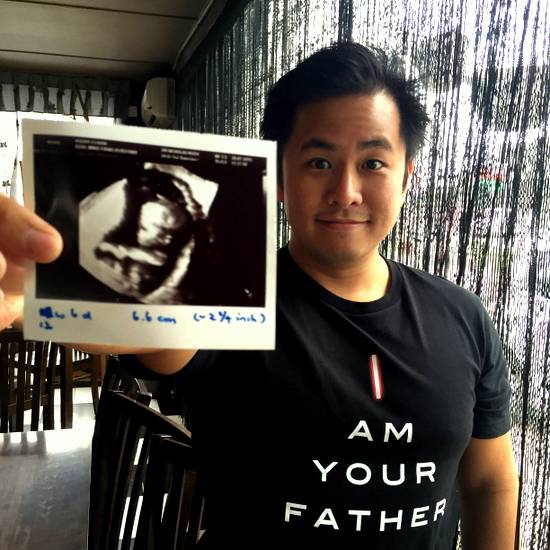
I’m gonna be a father soon. O_O
Ten Years
Dear Papa,
It has been ten years since you’re gone.
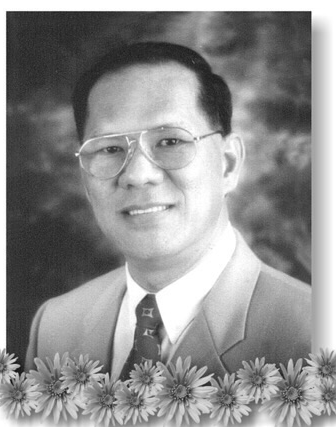
Never imagined I would be missing you everyday for ten years, but I guess I did. 🙂 Ten years have passed, but the feeling of not having you around anymore is just as raw as it was ten years ago.
A lot has happened. A lot of milestones achieved in these ten years. I’m a little disappointed that you were not around to witness it, nor to taste the fruits of your labour. But that’s the cards we were dealt with, right? So we live with it.
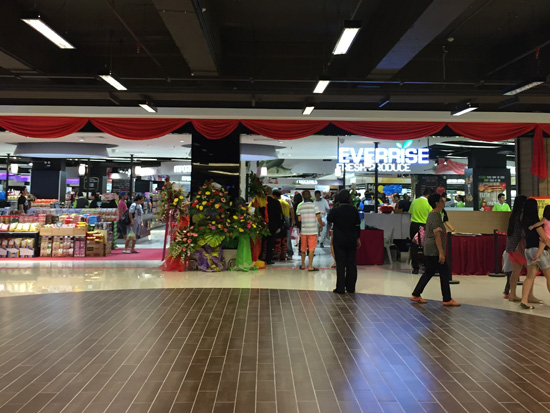
The supermarket business that you started more than twenty years ago has been making a lot of progress recently. Just last month, we had a ribbon-cutting ceremony for our first outlet outside of Sarawak. Mom told me that it has always been a dream of yours to expand into Sabah, and now that dream has come true. Ten years after you’re gone.
Who would have thought, a tiny little home-grown business you started from absolute scratch with your barehands is now big enough to straddle two Malaysian states. Not bad for a local brand name. Not bad for a local brand name that some think is not “good enough” to compete with the major players from West Malaysia. Now we are starting to stand toe-to-toe against them.
I think kor kor deserved a lot of credit, for re-branding and refreshing a forty-year-old brand name and turning that uncool image around. I think you’ll be so proud of his business acumen. It’s more modernized and stylish now… although it still bears the ol’ ching-chong name you gave. 😉
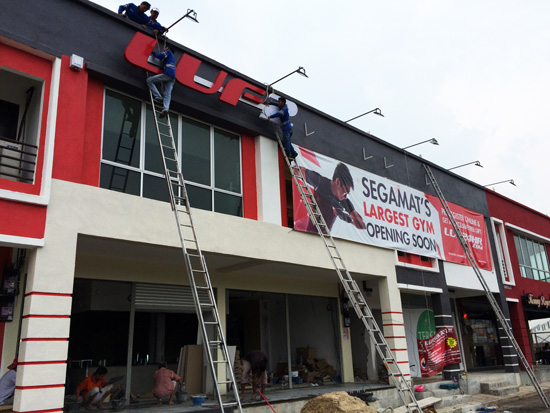
Compared to kor kor, the business I started may not be as large – but for a six-year-old business that was started from scratch I think not too bad also lah. Last September, I also had my little milestone when I expanded outside of Kuching. After a lot of hard work, I finally opened a small gym in the tiny town of Segamat, Johor. It’s not something I had initially planned, but I got a really dedicated partner and I also wanted to see how good a mentor I can be. Perhaps it’s because I have grown up, but I find that the process of helping people achieve their dreams more spiritually and emotionally fulfilling compared to just doing it for myself.
The only thing better than starting your own business, is helping other people start their own business, see them make money and grow. 🙂
Papa, all these are related to work. The biggest thing you missed in these ten years is my wedding.
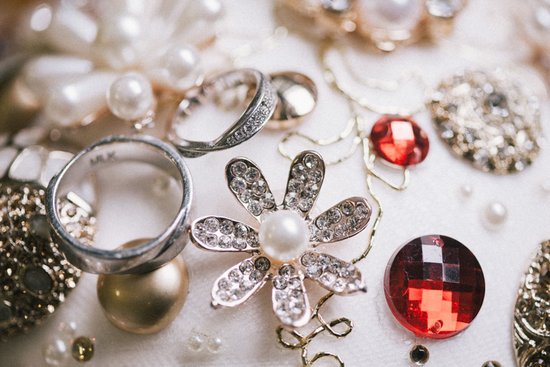
On the 9th September 2014, Ming and I completed the third of our three wedding ceremonies. I prayed to you the day before. Even went as far as to wear the gold watch you left behind for the entire day of my wedding.
Of course, Ming and I’s biggest regret is not to be able to serve you tea.
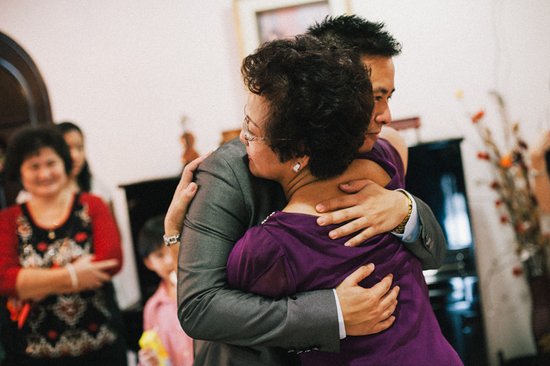
But we are doing good.
So now, after more than twenty years living underneath the roof you built, I have finally moved out to my own little place. Your little boy is finally becoming a man.
I’m glad I have finally found the person that I wanted to share the rest of my life with. Mom adores her… sometimes more than me. 😉 And I feel just as accepted by her family. I think you would have really like her too.
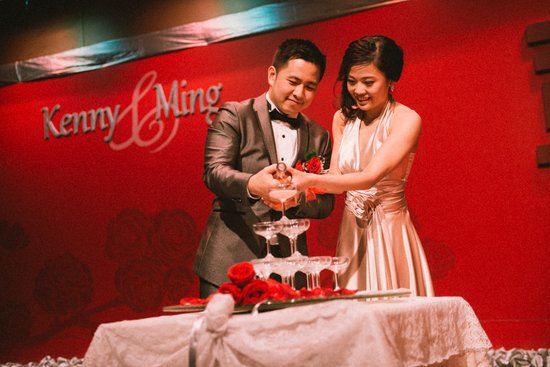
I guess the next step now, is to start my own family, huh? If it happens, the only thing I hope is that I can be as good a father as you were to me.
The past ten years had not been easy at all. I had to deal with a lot of challenges thrown in my way. From dealing with the pain of your passing in 2006, finding my own feet in the business world in 2009, rising in the face of competition in 2013, to finally finding balance and achieving stability in 2015.
Too many obstacles I faced in this journey to adulthood. At the same time, I sense that the worst of the worsts is over.
Now I’m ready for a new chapter in my life.
From a young adult to a man. From being single to a husband. From a business start-up to a mentor.
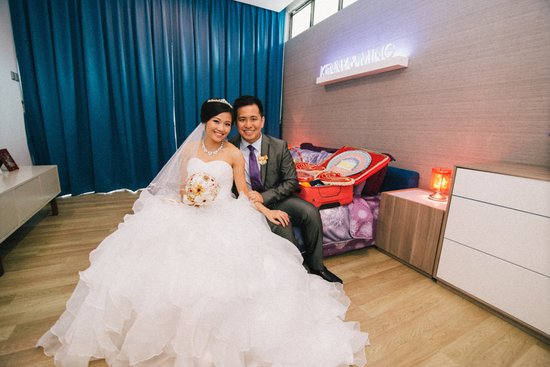
With you watching from above, I think I’m gonna be able to get through this funny thing called ‘Life’. 🙂
In the meantime, please take care. I know I’ve been owing you ten years of coffee, and counting.
Till we meet again,
Your youngest son.
The Best of Europe
With the crashing ringgit and the GST, I thought Malaysians may be more cautious with their spending.
I thought wrong.
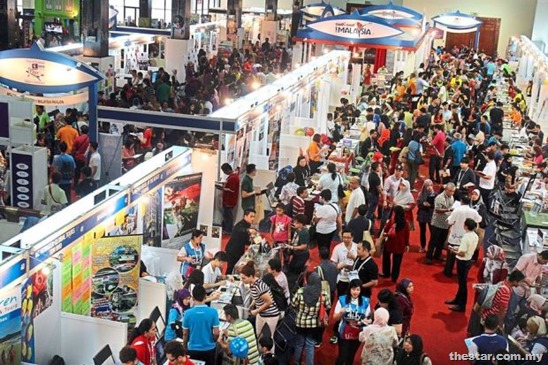
This was the scene at the most recent MATTA Fair at PWTC.
It took me one good hour to make find a parking spot 1km away from the venue, and another good hour just to make my way through the queues into the 5 huge exhibition halls playing host to the MATTA Fair.
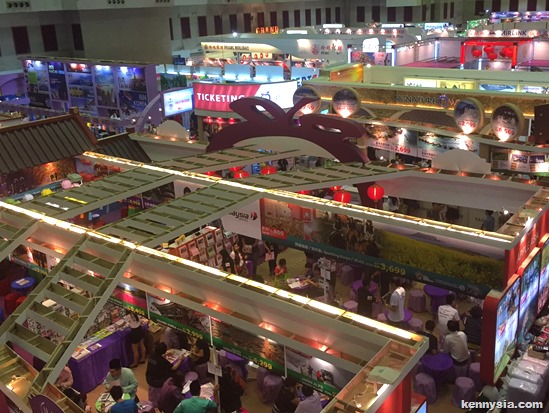
If Malaysians wanna travel, they will spend – and not even the weak ringgit is gonna stop them!
Despite the rising popularity of lesser-known "hipster" destinations, travelling to Europe remains one of many people’s biggest wishes.
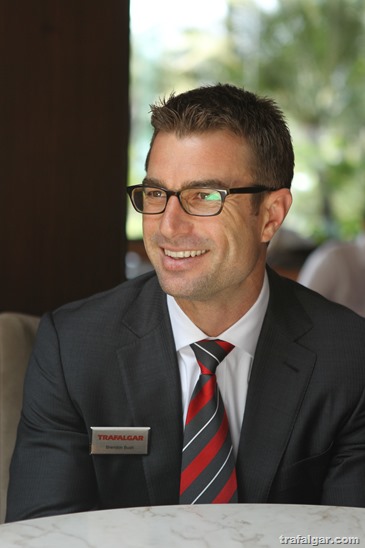
At the MATTA Fair, I sat down with one of travel giant Trafalgar‘s Travel Director and Europe destination expert Brendon Bush for a brief chat.
[Disclaimer: I was asked to do the interview with an experienced tour guide at the MATTA Fair. Not paid to do this.]
The world is huge and there are many places to travel to. Why is Europe still such a great travel destination, especially for Malaysians?
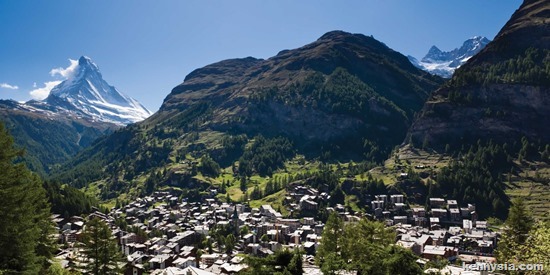
A: For me it’s the diversity. There are very few places in the world that have such rich diversity of one area. You can go to America, but it’s all "America". You can go to Australia, but it’s all "Australia".
Their history and the culture don’t change.
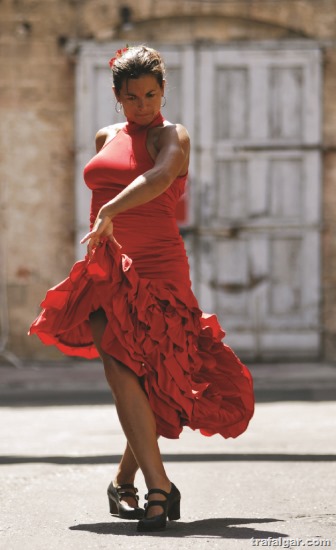
If you are in Europe, you could drive for 5 days and go through 5 different countries. And each of those country has a different language, different people, different food, different tradition, different custom, different architecture, different landscape!
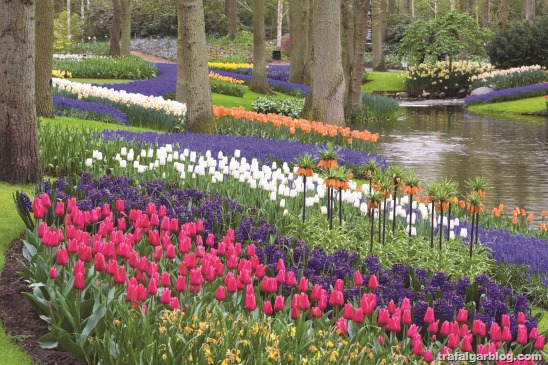
Everything is so varied in Europe. And that is the beauty that keeps people coming back.
I’ve been living and working in Europe now for 18 years, and I’m feeling I’m only starting to scratch the surface of having seen Europe!
Eastern Europe in particularly has opened up to tourism. Which of these new former-USSR countries have surprised you the most?
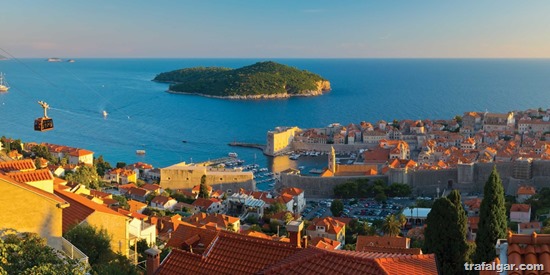
A: Currently, I really like Poland, Croatia and the former Yugoslavia. Bosnia Herzegovina, Slovenia and Croatia - that area is really a bit of a hot spot now. It’s the new "place to be".
Western Europe is still great if you haven’t been to Europe before, but a lot of people are always looking for that non-trodden track.
Europe is still somewhat elusive for most Malaysians. For first-time visitors to Europe, what would you say is the best way to get started?
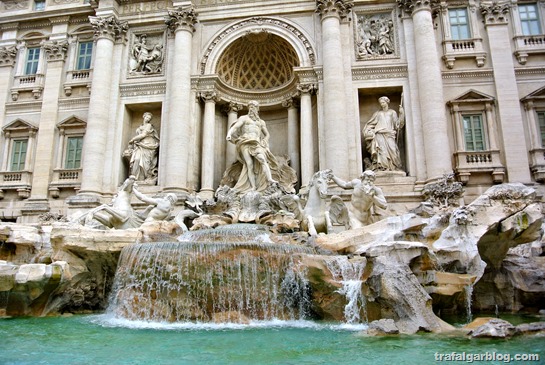
A: I guess it really comes down to personal preference, Kenny! As a travel director, I would get down to the big city hot spots, and do a multi-country destination to start with so they could get an overview.
Because of the diversity that Europe has, if you go to one place, you might not like that one country.
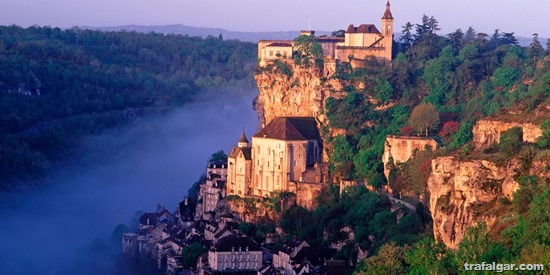
But if you do one of our Discovery holidays which does many different countries to start with, you get a taste of all those different countries. You might like one country, you might not like the next. But you’ll know that.
So when you come back to Europe, you’ll do one of our Country Explorer – one country instead and delve into the history and customs a little bit more.
What I want to do now is a "Best of…" list. So, off the top of your head, what would be the best place to go to in Europe for…
Best Place for Shopping
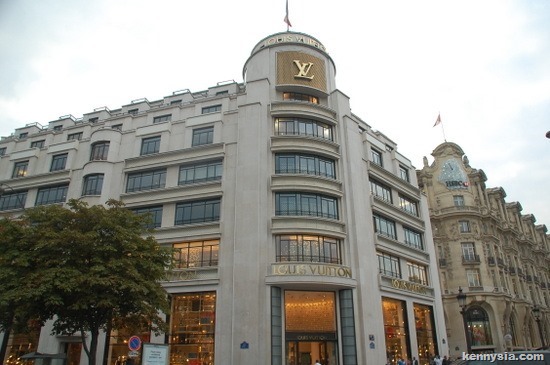
A: If people want to go Rome or Milan or Florence or Venice
for shopping, they all got the same famous brand names – Gucci, Prada, Versace, etc.
If you want to go to Paris, the Champs-Élysées or Galleries Lafayette. If you want to go to London, Oxford Street.
Best Place for Food
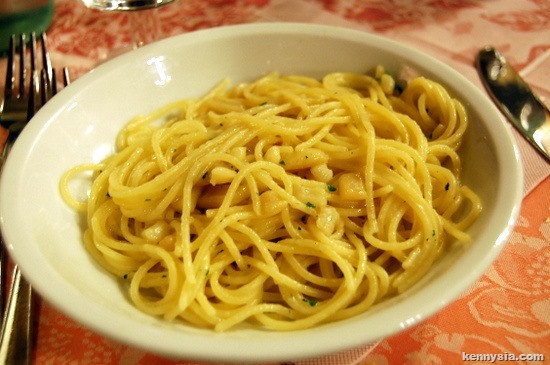
A: I lived in Italy for five years, Kenny, so I’ll be biased towards Italy for food! It’s hard to go past spaghetti alle vongole (spaghetti with clams) or the seafood of the Mediterranean. A killer tiramisu is my favourite dessert by far.
I do like the sauces of France – Duck a L’Orange (roasted duck with orange sauce), but I’ll stick with Italy.
Best Place for Coffee
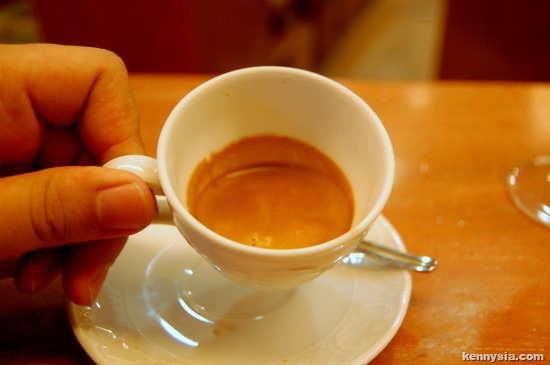
A: I don’t drink coffee, but the only place that I do drink it is Italy. Because I love espresso. A very short, heavy, thick espresso would normally have the same effect as a defibrillator and keep you awake for ten years!
Regardless of which city and what time of the day, if I can get an Italian coffee, I’d drink it. Across the border and outside of Italy, I stop drinking coffee!
Best Place for Art
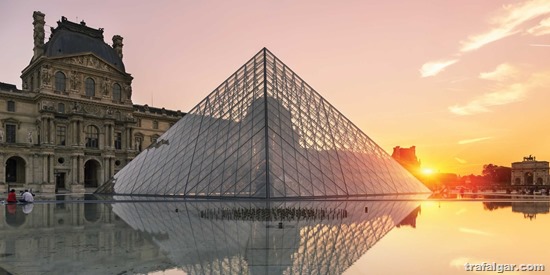
A: The Louvre. Greatest collection in the world on display there.
Q: Do people always marvel at how small the Monalisa is?
A: Always. "And why is it behind a pane of glass!?"
Best Church
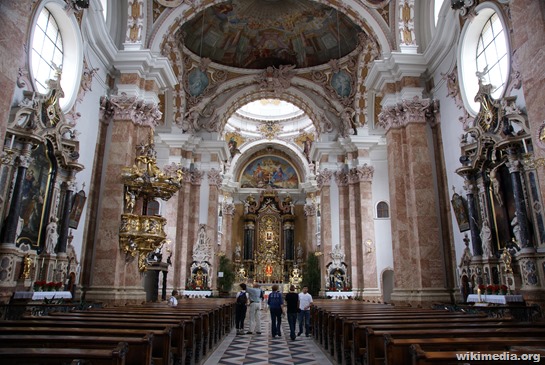
There is a beautiful little church in Innsbruck, Austria called the Cathedral of St James. It’s an 18th century baroque church, just off the beaten track a little bit. From the outside, it looks quite austere, but inside is greatest example of baroque architecture you’ll ever see in your life. There’s such rich decoration that as soon as you walk in, your jaw hits the ground.
I’d love to take my guests there for a hidden treasure.
Best Train Journey
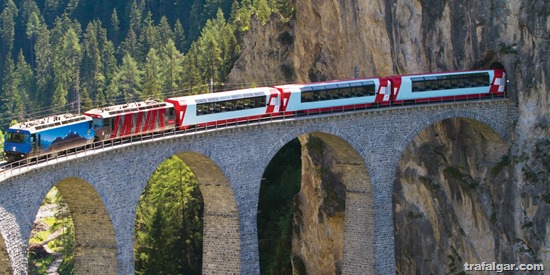
The Glacier Express. It’s in Switzerland, and it goes from St Moritz to Zermatt. It’s a six hour train journey, glass-roofed train, commentary in six different languages, and the most rugged and beautiful landscape in the world. If anyone were to research it, you would find it in the top 5 train journeys in the world.
We do that on our ‘Contrasts of Switzerland’ holiday.
Best Drinking Hole
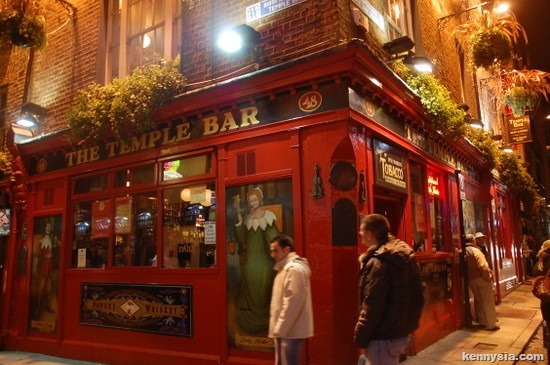
Temple Bar in Ireland!
Best Food Market
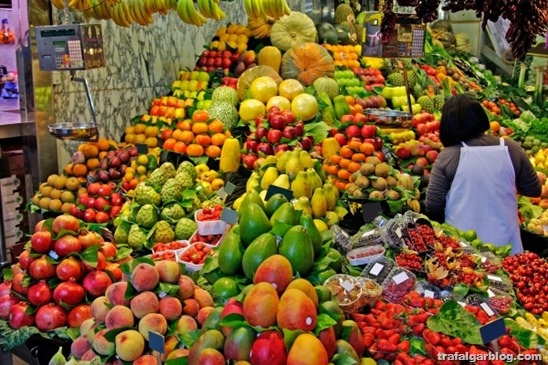
Mercado de La Boqueria in Barcelona, Spain.
Best Live Sports
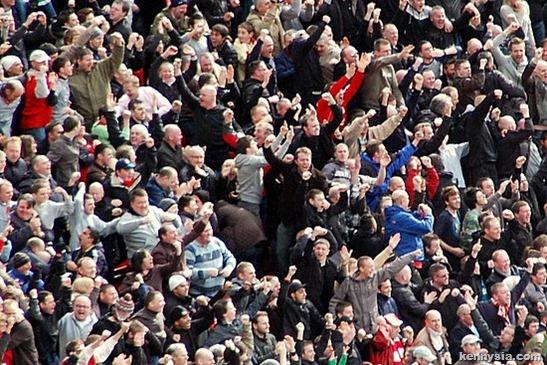
Watching football in London. All of Asia loves watching football.
Best Castle
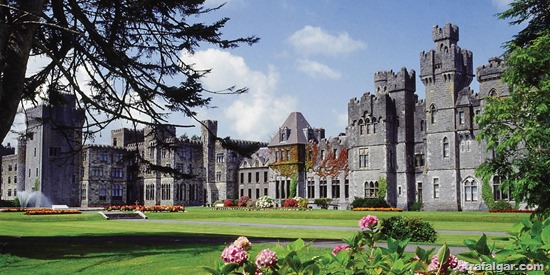
Ashford Castle. It’s in Ireland. We stay there on our Iconic Ireland and Ashford Castle holiday, as part of our Authentic Accommodation.
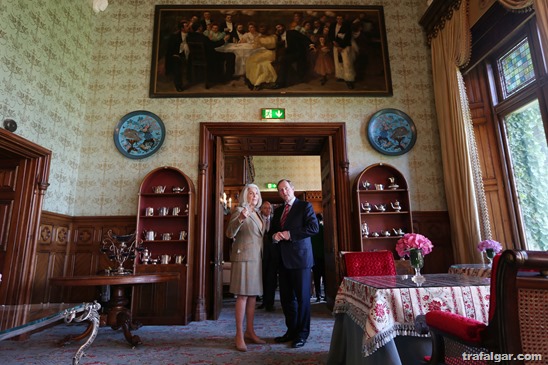
It’s a 13th century castle, and we stay inside there. It’s beautiful.
But the most famous castle that we cannot stay inside is of course the Neuschwanstein Castle in Germany.
Best Place for History Buffs
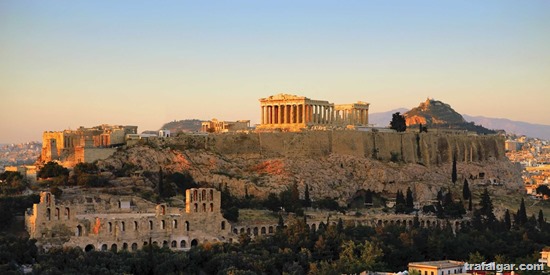
For ancient history, Greece or Italy.
For more recent modern history, you go to the former Soviet Bloc, or the concentration camps in Germany or Poland.
Best Place for Adventure Sports
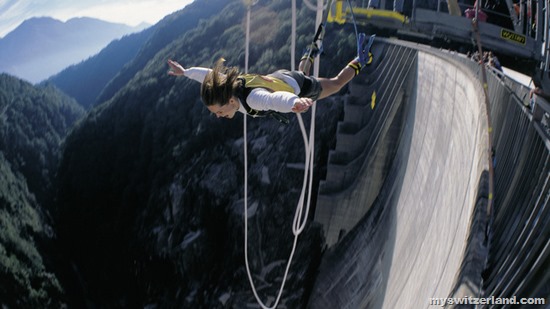
Switzerland, and anywhere in the Alpine region. You can go on your white-water rafting, canyoning, bungee-jumping, sky-diving and all these different things in the mountainous region. Mountains and adrenaline always go together.
Best Place for Sunset
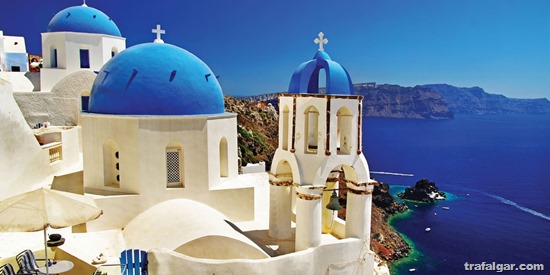
Santorini, in the Greek Islands.
Cinque Terre in Italy is nice too, but I truly think the Greek Islands is a little bit more special.
Most Over-rated Place
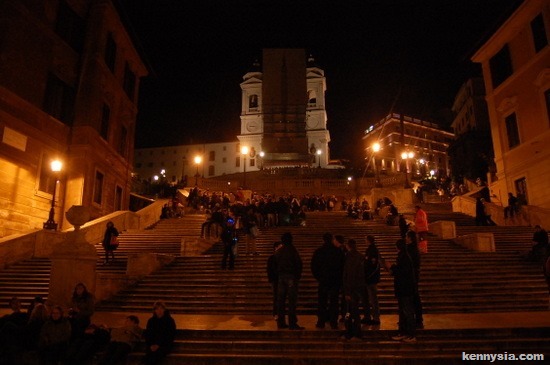
Spanish Steps in Rome. It’s a staircase that’s covered by people and you can’t even see. I stand by my decision!
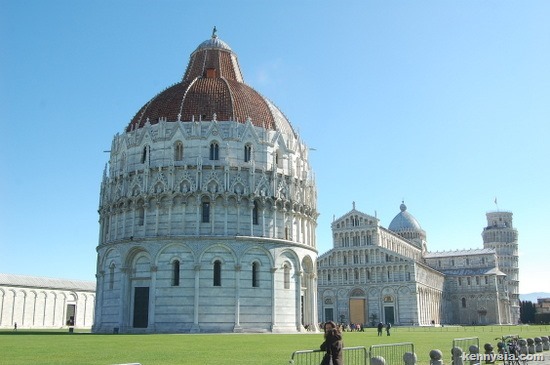
Most Under-Appreciated Places
 A:
A:
Two of the most under-appreciated buildings are The Baptistery and the Cathedral of Pisa.
People don’t even look at them. All they want to do is see the Leaning Tower. You’ve got these beautiful masterpieces that are older than the Leaning Tower, made of just as intricate a stonework and as richly decorated. But because they are not leaning, forget about it! How can you do this? Really?
So everytime we go to Pisa, I try to point out the Baptistery and the Cathedral so people can appreciate it more.
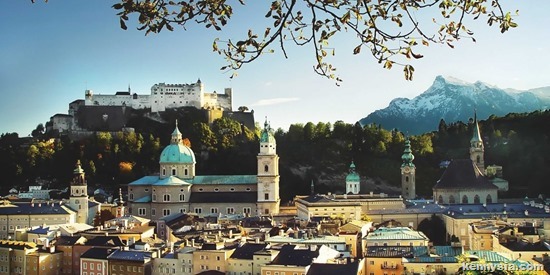
The most under-appreciated place is Austria.
People don’t know a lot about the country. They think it’s all classical music and composers, they don’t realize the plains where Vienna is, then you got this mountainous region that’s stuck in between Italy and Germany. This is where Innsbruck is, where Salzburg is.
You got probably the greatest baroque style buildings and architecture in all of Europe. You got rolling green hills, countryside, mountainous peaks – it’s beautiful!
Best Place to Pop The Question
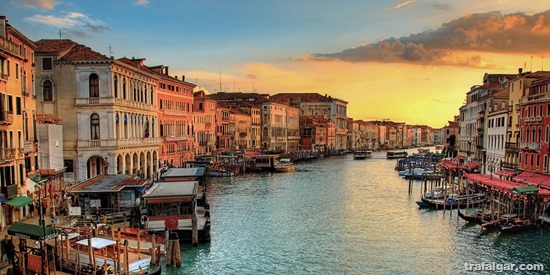
It’s cliche, but I always found Venice to be very romantic during night time when there are no tourists around.
It doesn’t necessarily have to be in a city. There are some small cute villages like the Cinque Terre, Italy.
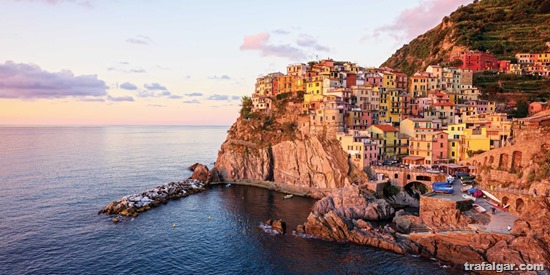
You can get away from the crowds, go to some lesser-known places and stay in a tiny hotel on the waterfront.
You can be sitting on the beach by the beautiful moonlight when you propose. There are beautiful walks that you can do as well, then hold hands, sit down for a picnic as you slowly build up your nervousness to finally pop the question!
Goodbye LKY
Unlike the current generation of entrepreneurs who can count Robert Kiyosaki, Donald Trump and Steve Jobs as inspirational figures, my late father have few well-known figures he that looked up to.
One such exception, is Lee Kuan Yew.
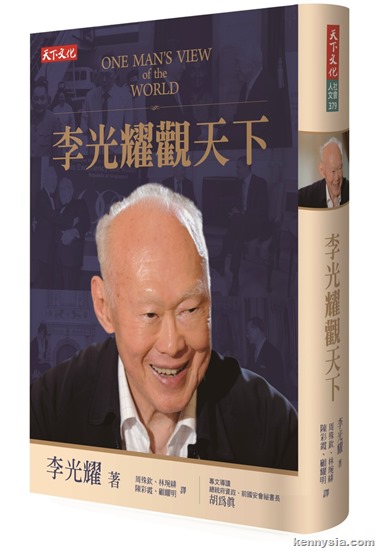
When I was 7, I saw on my father’s desk a biography of Lee Kuan Yew.
"Who is that, papa?"
"He is someone incredibly extra-ordinary. Thirty years ago, Singapore and Kuching were the same but he developed Singapore so much. No one could ever have imagined. Read, and you will soon know, son."
It’s Been Nine Year Since You’re Gone
Dear Papa,
Gosh, has it been 9 years already?
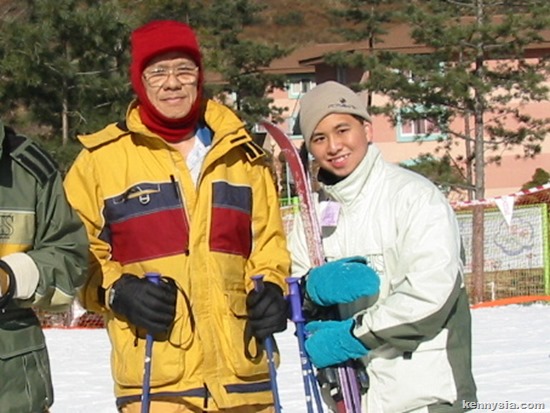
I was asked about it the other day and I almost couldn’t believe that it has been that long. There’s so much you had missed out on since you left, papa.
The amazing thing is that… even so long after you had left, there are still so many random strangers coming up to me and to koko, telling us pretty much the same old things.
"I knew your dad."
"We would be in meetings after meetings, talking for weeks and weeks on a problem we couldn’t solve. Then when your dad walked in, within 5 minutes, he’s got the solution figured out already."
"He was such a good man.".
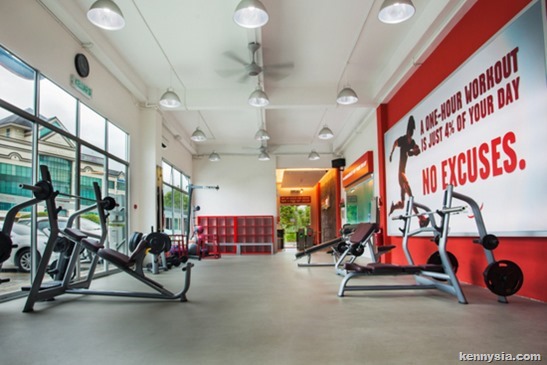
An interesting thing happened the other day.
I had completed my latest project, the new 24-hour gym. To find someone to officiate the opening ceremony, I sent an email to the Assistant Minister YB Dr Jerip.
To my surprise, the Assistant Minister accepted my invitation. After all, I run a small company. He runs the State of Sarawak. It was only until he went on stage that I realized the reason he accepted my invitation.
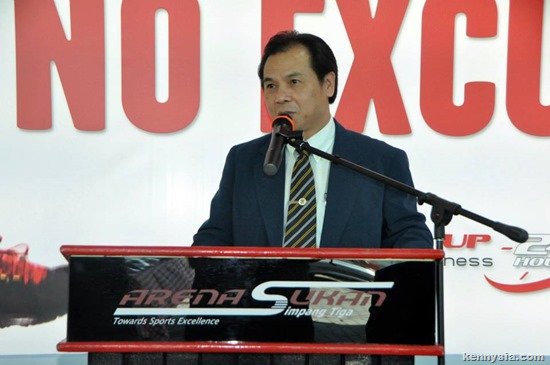
The Assistant Minister told the audience a story about how as a young student, he liked all the subjects in school, but the only subject he disliked was Physics. No matter how hard he tried, Physics and him just do not get along.
Until one a day, a teacher came along. This teacher used all kinds of stories and analogies to explain the difficult concepts in Physics. The teacher tried and tried, passionately and tirelessly, to educate his students. He worked so hard until Physics transformed from the student’s most disliked subjects to one of his favourite subjects.
That teacher was you, Papa.
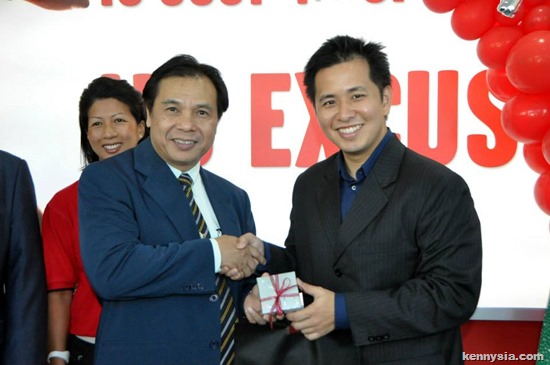
It’s so amazing that you only worked only one year as a teacher, yet your students still remember you so well. Some people go through their entire life without so much as to leave a mark, yet after nine years, people still talk about the different ways you touched their lives.
That day, at the opening ceremony of LUF24HR, was easily one of the best days of my life.
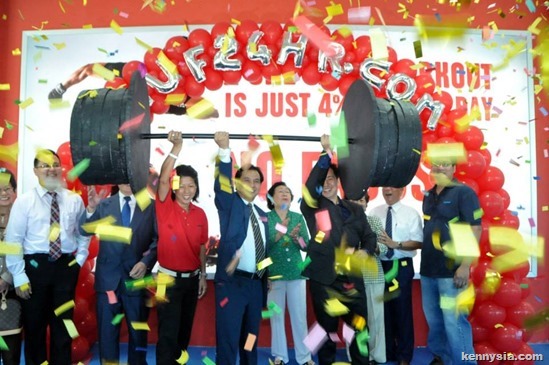
I think you must be real proud, to see your former student grow up to become an Assistant Minister of Sarawak; to see him turning up to officiate the opening ceremony of your son’s new business venture; which is inside a sports complex next to the temple housing your spiritual resting place.
I’m not one to believe in miracles, but events like this cannot be explained by mere coincidences.
If this is your way of telling me you love me, I wholeheartedly believe it.
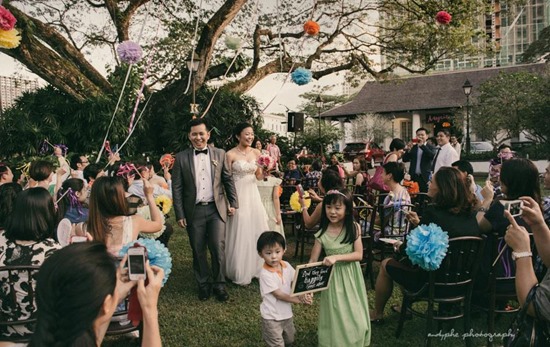
On the 30th March 2014, Ming and I registered our marriage in a simple ceremony held at the Old Court House.
It was the most perfect ROM reception I could ever wished for. The only person missing there, was you. How I wish you could be there in attendance, to witness your youngest son and his wife’s new chapter in life.
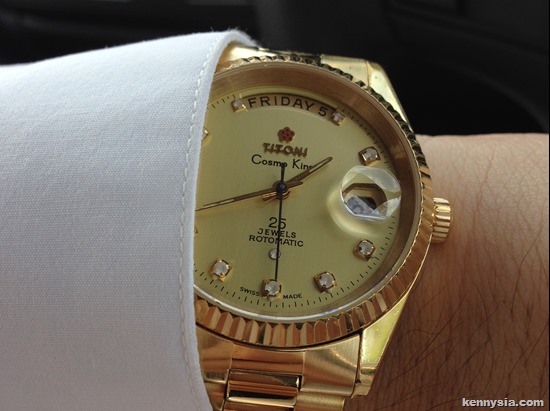
On the most important day of my life, I wore your gold watch. I guess… if you can’t be here in person, then at least you can be with me in spirit. 🙂
I love you, Papa. And I miss you.
Till we meet again,
Your youngest son.
Because Traditional Chinese Engagement Ad Is Too Mainstream
What’s the point of renting a bridal gown and paying thousands for a photoshoot, when you can just do this?

#kennyandming